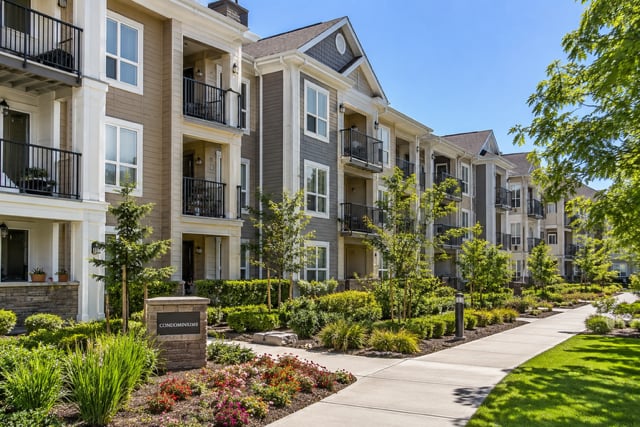
Marin County, Home Owner Associations - Insurance and Elevated Balcony, Decks, and Stairs Issues
Marin County Real Estate Team O'Brien Real Estate November 16, 2026
Marin County Real Estate Team O'Brien Real Estate November 16, 2026
Home owner associations across the country have been experiencing hardships related to rising insurance costs, maintenance requirements related to elevated exterior features (decks, balconies, and stairs), and insurance requirements related to fire mitigating updates. And Marin county has been experiencing this as well.
Condo or townhome sales we were involved in the last 9 months:
“HOA fees have increased lots over the past 2 years, indicating a roughly 14% year-over-year spike recently and an overall surge of about 51% over a 4-year period ending in 2025, outpacing broader inflation by nearly double, mostly driven by soaring insurance, utility and maintenance costs. Condo Assessments rose a staggering 96% over 4 years, driven heavily by legislative changes mandating safer structural reserves. (YAHOO)”
Due to the above, it has become even more important for buyers to thoroughly go through HOA documents when considering the purchase of a condominium or property in a planned unit development.
I would also suggest that those buyers thinking of purchasing a property in an HOA where there’s a blanket insurance policy (a policy that covers the whole complex)check to see if the property is in a high or very high fire hazard zone. The reason being, are those associations in higher fire hazard zones are more likely to have their insurance premiums increased, and or insurance carriers require that preventative measures be taken to mitigate fire risk. This is not limited to, but could include updating electrical, requiring that there be a clearance zone around each structure without any combustible material, and exterior siding and roofs being updated to be more fire resistance. All of these could have a direct financial hardship on the association and intern the prospective buyer or owner by way of special assessments or required work. And I would like to note, one complex (HOA) that I’m aware was not in a high fire hazard zone and still had their insurance increased eight fold, so I am not suggesting that only high fire hazard designated condos or PUD could be affected. It could be any condo or PUD regardless of the fire hazard severity zone.
For sellers who own a property where any or all of the points above would affect it. I would encourage them to spend some money on updating their property and staging it. It’s best to have a local experienced real estate broker or realtor advise on what updating should be performed. The reason being is the above points are objections or will be for a buyer and one of the best ways to mitigate those objections, in my experience, is to have the property be as attractive as it can be. People are really visual, and if the visual aspects of the property are impressive, again in my experience, I have found that much can be overlooked or forgiven by buyers. And this isn’t to say there wouldn’t still be some objection or pushback, just not as much. In all three of the sales noted above where we were the listing agents, the sellers listen to our advice and did some updating and staged their property and in each case it’s served them, facilitating a better outcome.
Marin County Real Estate
Marin County Homeowners Associations


Novato Real Estate
Novato Real Estate Market
San Rafael Real Estate
San Rafael Real Estate Market
Marin County Hikes
Shafter Fire Road - Trail Head
At Team O’Brien, real estate isn’t just about buying and selling homes—it’s about helping you make the right move with confidence. Whether you’re buying, selling, or investing, we take the time to understand your goals and provide tailored solutions for success.