Trading city buzz for redwoods and trailheads sounds dreamy until you start mapping commute times and comparing home prices. If you are thinking about moving from San Francisco to Mill Valley, you are not alone. Many buyers are drawn to space, sun breaks, and quick access to Mount Tam while staying connected to the city. In this guide, you will find clear, local facts on costs, commute options, micro-neighborhoods, outdoor access, schools, and practical tradeoffs so you can decide with confidence. Let’s dive in.
Why consider Mill Valley
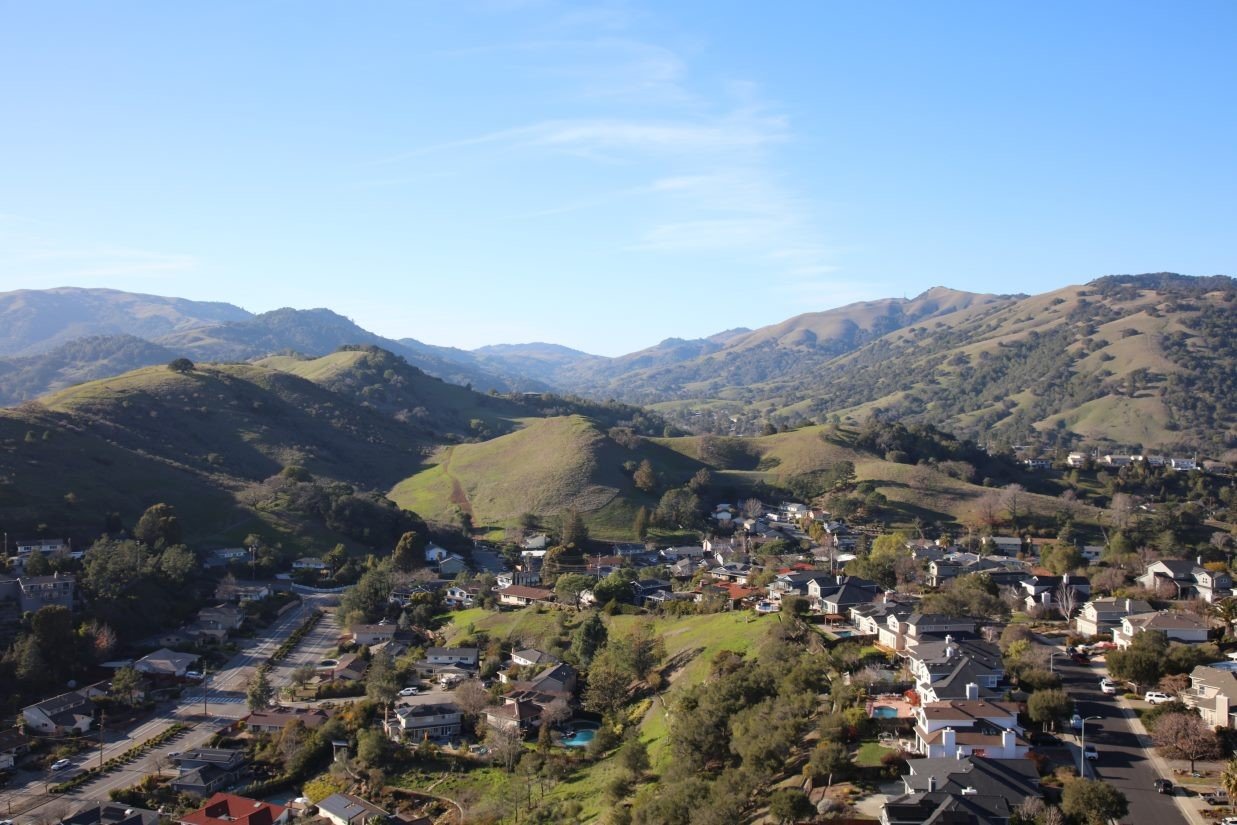
Mill Valley sits about 12 to 15 miles north of downtown San Francisco via US‑101 across the Golden Gate Bridge. Off‑peak drives can be as quick as 20 to 35 minutes, though peak periods often run longer. The city blends small‑town charm with a strong outdoor lifestyle, from hillside views to creekside canyons.
Prices are higher than San Francisco’s citywide median when you compare typical single‑family homes. As of January 2026, Redfin reported a median sale price near $1.995 million in Mill Valley, while San Francisco’s citywide median was about $1.30 million. Many buyers make the move for more yard space, quieter streets, and trail access while keeping a workable door‑to‑door commute.
Commute options to San Francisco
Mill Valley offers multiple ways to reach the city. Your best option depends on your schedule, destination, and tolerance for traffic.
Driving across the bridge
- Route and timing: US‑101 over the Golden Gate Bridge is the main corridor. Off‑peak can feel easy; peak inbound and outbound windows can stretch your time.
- Tolls: The bridge uses all‑electronic tolling and charges southbound only, into San Francisco. FasTrak users pay the lowest rate. Review current policies on the Golden Gate Bridge page for details on collection and payment methods. See an overview of tolling on the Golden Gate Bridge page on Wikipedia.
- Practical tip: If you drive often, set up FasTrak to streamline billing and reduce costs.
Ferry from Larkspur
- Ride experience: The Golden Gate Ferry from Larkspur to the San Francisco Ferry Building takes about 30 to 35 minutes on the water. It is reliable, scenic, and a welcome buffer from bridge traffic. Check schedules and riding tips on the Golden Gate Ferry guide.
- Door‑to‑door time: Plan roughly 45 to 75 minutes, depending on parking, shuttle connections, and your final destination in the city.
- SMART and shuttle: The SMART rail line serves Larkspur and coordinates with ferry connections. Review service and shuttle details on the SMART Larkspur Shuttle page.
Bus, SMART and multimodal options
- Express buses: Golden Gate Transit runs express routes from Marin into San Francisco. These can be competitive on time during certain windows and remove parking from the equation. Check current schedules on the Golden Gate Ferry rider guide and pairing options with SMART where useful.
- Plan your test run: For any commute, test your exact route at your target departure times. The average commute time in Mill Valley is about 25.2 minutes, according to U.S. Census QuickFacts, but real‑world results vary by origin, destination, and mode.
Neighborhood guide highlights
Mill Valley is a collection of distinct micro‑neighborhoods. Each offers a different mix of terrain, sun, access, and housing types.
Downtown and Lytton Square
Downtown is the walkable core with cafes, shops, and restaurants. Housing includes historic single‑family homes, small condo buildings, and classic shingle‑style cottages. It is convenient to town life and close to trailheads.
Tamalpais Valley and Tam Junction
Located on the valley floor with relatively easier highway access, Tam Valley and Tam Junction offer shopping strips and a mix of postwar cottages and mid‑century homes. These areas often get more sun compared with redwood canyons.
Homestead Valley and the Canyons
Homestead Valley, Blithedale Canyon, and Cascade Canyon provide a wooded, rustic Marin setting. Expect larger lots in some pockets, privacy, and immediate outdoor access. Many homes sit among redwoods, with classic wood‑siding architecture.
Strawberry, Almonte and Alto
Strawberry sits along the eastern edge near the water and can command premiums for convenience and setting. Almonte and Alto are smaller hill neighborhoods with a range of styles and views.
Hillsides and ridgelines
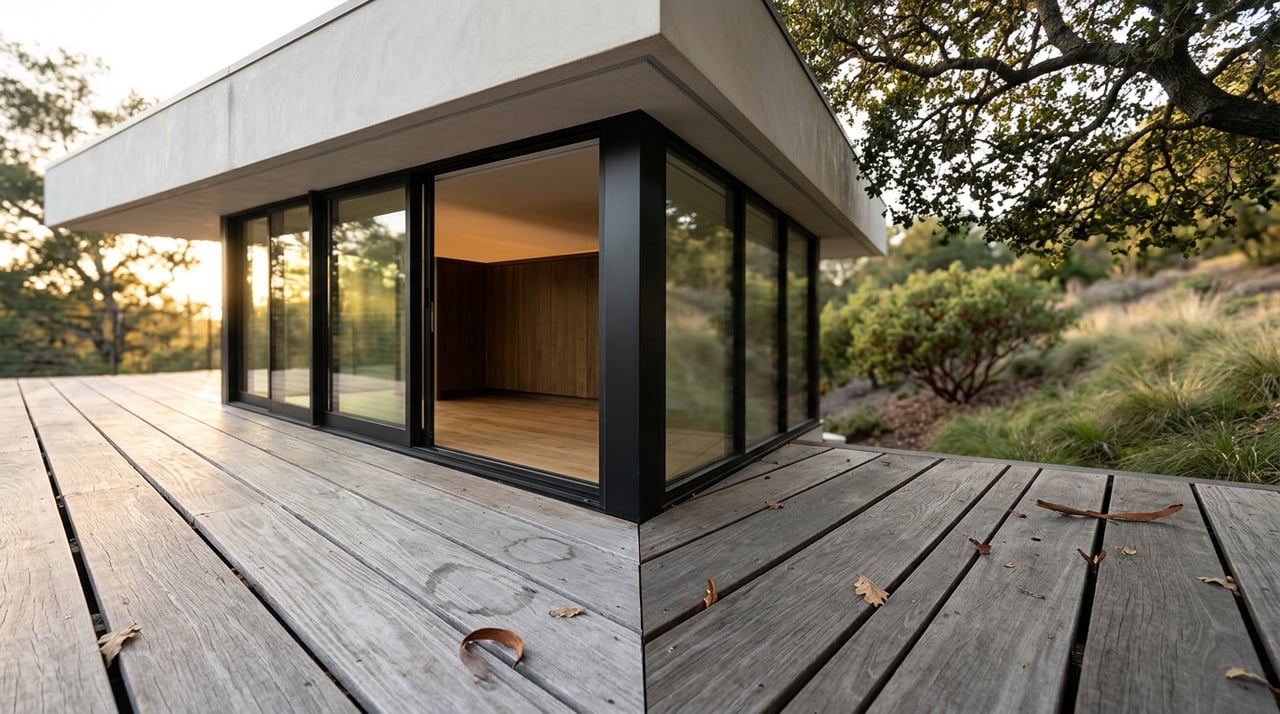
Areas along the Panoramic Highway, Shelter Ridge, Tennessee Valley, and Mount Tam flanks offer steeper sites, big views, and microclimate variety. These homes can be spectacular but may involve access, wind, and site‑maintenance tradeoffs.
Housing costs and market feel
- Price context: As of January 2026, Mill Valley’s median sale price was around $1.995 million. San Francisco’s citywide median was about $1.30 million at the same time. Neighborhood and property type matter. A condo in San Francisco can be far less than a single‑family home in Mill Valley, while luxury SF neighborhoods can exceed many Marin prices.
- Inventory and speed: Mill Valley tends to have limited inventory. Redfin reported a median of 65 days on market in January 2026, which can shift by season and product type. Well‑located family homes often attract strong interest.
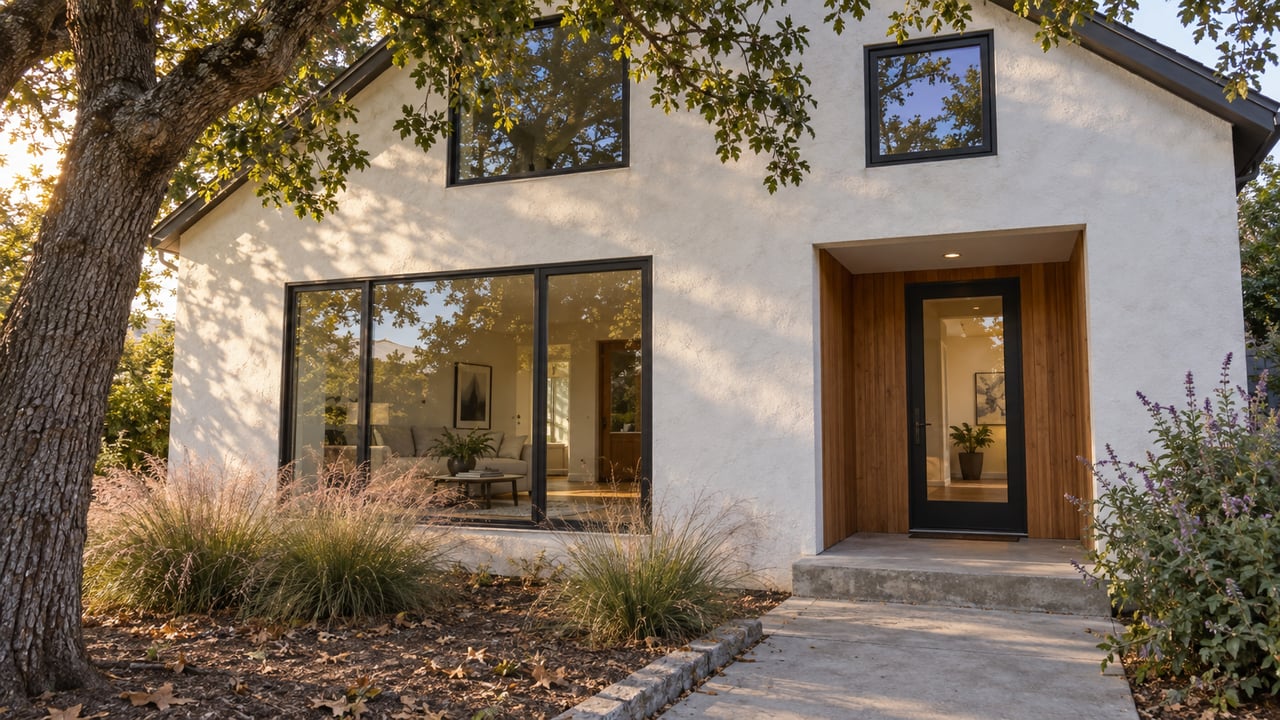
- Housing styles: You will see early shingle‑style cottages and Victorians near older cores, Craftsman bungalows, mid‑century ranches in flatter valleys, and contemporary hillside remodels. Local guides frequently highlight this range of architecture and materials suited to the wooded setting. Explore neighborhood and lifestyle coverage at Only in Mill Valley.
Outdoor access and weekend life
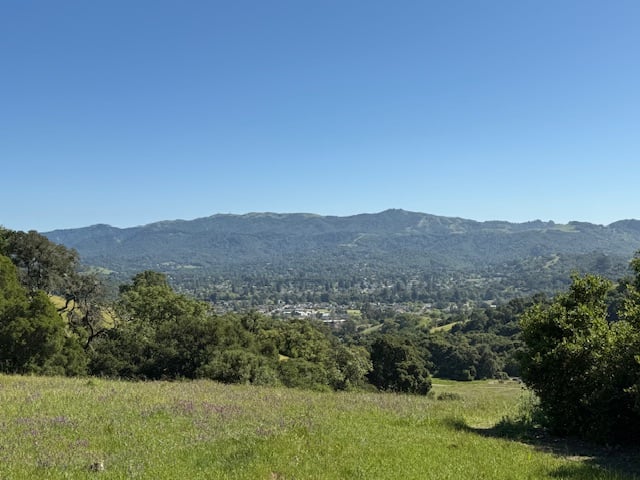
Mill Valley’s trail network is a major draw. You can move from coffee to switchbacks in minutes.
- Mount Tamalpais State Park: Miles of hiking and biking with sweeping views over the Bay. Browse trail and park details on the California State Parks page for Mount Tamalpais.
- Muir Woods National Monument: A world‑class redwood grove experience. Reservations are required for parking or shuttle access, so plan ahead using the NPS reservations guide.
- Beaches and valleys: Tennessee Valley, Muir Beach, and Stinson Beach are within an easy drive for quick nature resets.
Schools and daily logistics
Mill Valley School District serves K–8, and students typically feed into Tamalpais Union High School District for high school. Families often cite these districts as a key reason for choosing Mill Valley. For current programs, enrollment, and boundaries, start with the Mill Valley School District’s official pages.
When comparing neighborhoods, review attendance boundaries before you tour. Also consider walk and bike routes, after‑school programs, and commuting patterns for your household.
Practical costs and risk factors
Property taxes in Marin
California’s Proposition 13 sets a base property tax rate near 1 percent of assessed value. In Marin, voter‑approved assessments and local charges typically bring the effective rate to about 1.1 to 1.3 percent depending on the tax area. For parcel‑specific details, consult the Marin County Assessor’s guidance.
Insurance and wildfire readiness
Parts of Mill Valley lie within the wildland‑urban interface. Fire Hazard Severity Zone mapping and local defensible‑space rules may affect permitting and insurance underwriting. It is wise to get insurance quotes early in your search and to review local updates through the Southern Marin Fire Protection District.
Maintenance and microclimate
Redwood canyons are beautiful but can be damp. Expect ongoing attention to exterior wood, drainage, and sunlight exposure. Hillside lots can involve engineering considerations for remodels. Budget for site‑specific maintenance that fits the exact microclimate and terrain of the home you choose.
How to shop smart in Mill Valley
- Define your commute window: Test your morning and evening routes by drive, ferry, or bus. Use the Golden Gate Ferry guide and SMART shuttle info to plan connections.
- Focus your neighborhood short list: Decide if you want more sun and access to US‑101, a walkable downtown vibe, or a canyon retreat near trails. Visit at different times of day.
- Align budget and product: Clarify whether you are comparing to an SF condo or a single‑family home. That single decision changes your price range dramatically.
- Prepare to move fast: Inventory can be tight. Get pre‑approved, understand jumbo financing norms, and be ready for well‑priced listings.
- Leverage off‑market access: Agent networks and private channels can surface opportunities that never hit the open market. Pair that access with data‑driven pricing and strong presentation to compete effectively.
Ready to look at homes that match your lifestyle and commute goals? Reach out to Team O'Brien - David & Deirdre for a local game plan tailored to you.
FAQs
How long is the Mill Valley to SF commute by each mode?
- Driving can be 25 to 60+ minutes depending on peak traffic; the ferry is about 30 to 35 minutes on the water and roughly 45 to 75 minutes door‑to‑door with parking and transfers; buses vary by route and traffic.
What should I know about Golden Gate Bridge tolls when commuting?
- Tolls are collected southbound only into San Francisco with all‑electronic billing, and FasTrak offers the lowest rate; review current details before you start commuting.
Which Mill Valley neighborhoods align with yard space and convenience?
- Areas like Tam Valley and Tam Junction offer flatter lots and easier highway access, while Homestead and canyon areas trade sun for privacy and trail proximity; visit both to compare.
How do Mill Valley prices compare with my SF neighborhood?
- As of January 2026, Mill Valley’s median sale price was near $1.995 million versus about $1.30 million citywide in SF, but your outcome depends on whether you compare condos to houses and on specific neighborhoods.
Are wildfire insurance and new rules a concern in Mill Valley?
- Yes; parts of town sit near wildland areas, so check Fire Hazard Severity Zone maps, defensible‑space rules, and get insurance quotes early in your home search.